Coaching, ~20 sessions a month
13 elementary schools
One-on-one and small-group coaching on whatever the teacher actually needs, from Chromebooks to prompts. I built the booking system teachers use to request time.
I design training that helps people adopt powerful tools. Today that tool is AI.
The tool changes every decade, from a mixing console to a Mac to AI, and the person learning it is the point.
Swipe the timeline to see 2010 → now.
Twelve years teaching people to use powerful tools: in studios, at Apple, in classrooms, and now with AI across Norwalk's 13 elementary schools.
Five rewrites of principals' notes, each built to mimic a mistake AI makes. Your job is to decide which ones stayed faithful. It's a real micro-lesson built on the evaluation work below.
Case studies, each with the constraints I wrote, how I checked the result, and what shipped.
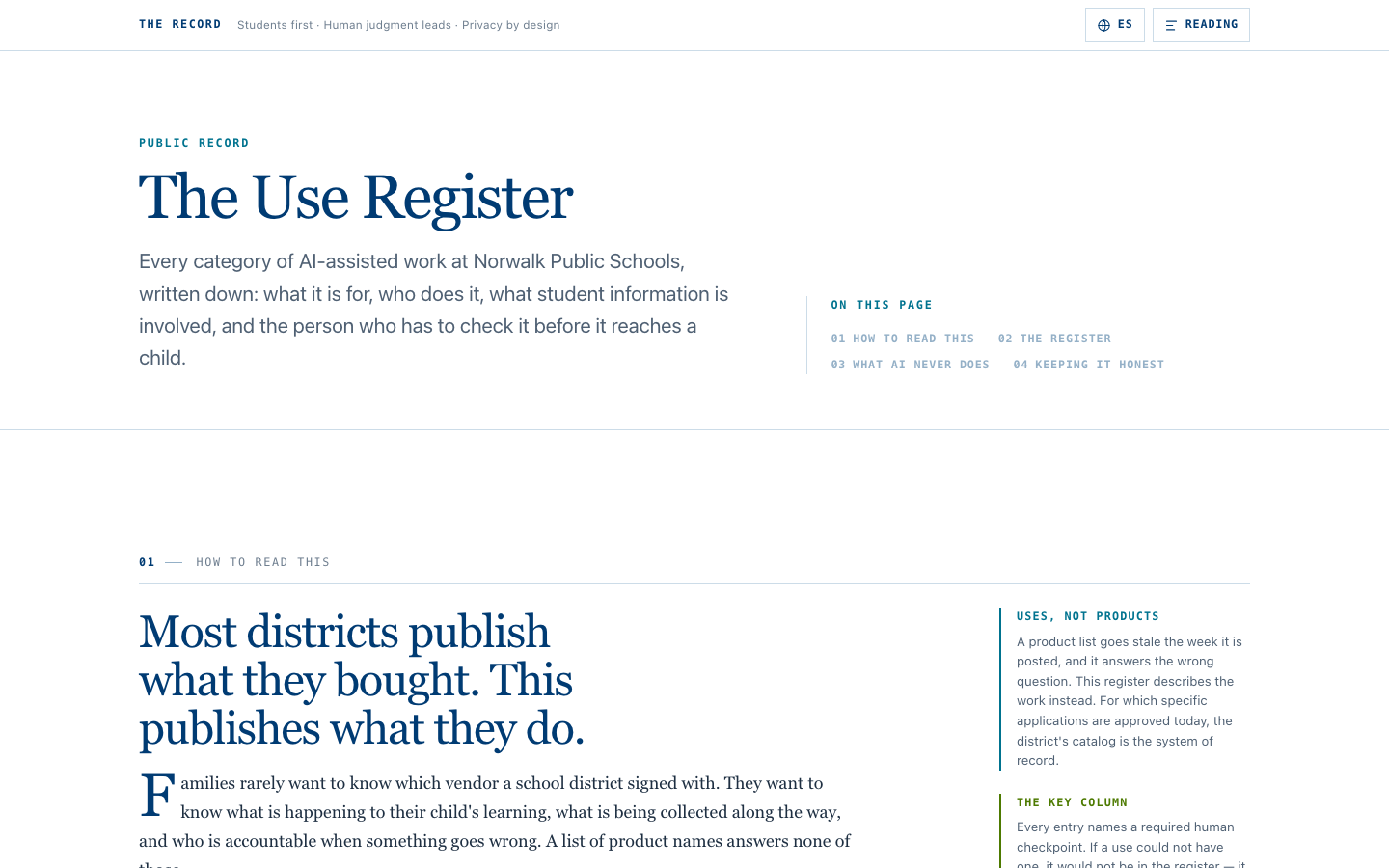
Norwalk's public AI transparency site and K-12 guidebook. Presented at a Google for Education conference in NYC; other districts now reach out for guidance.
Objective 2 has no quiz item. Learners are told why 2FA matters but never asked. I would add one.
The full design document for a training I built: needs analysis, objectives, storyboard, assessment and evaluation.
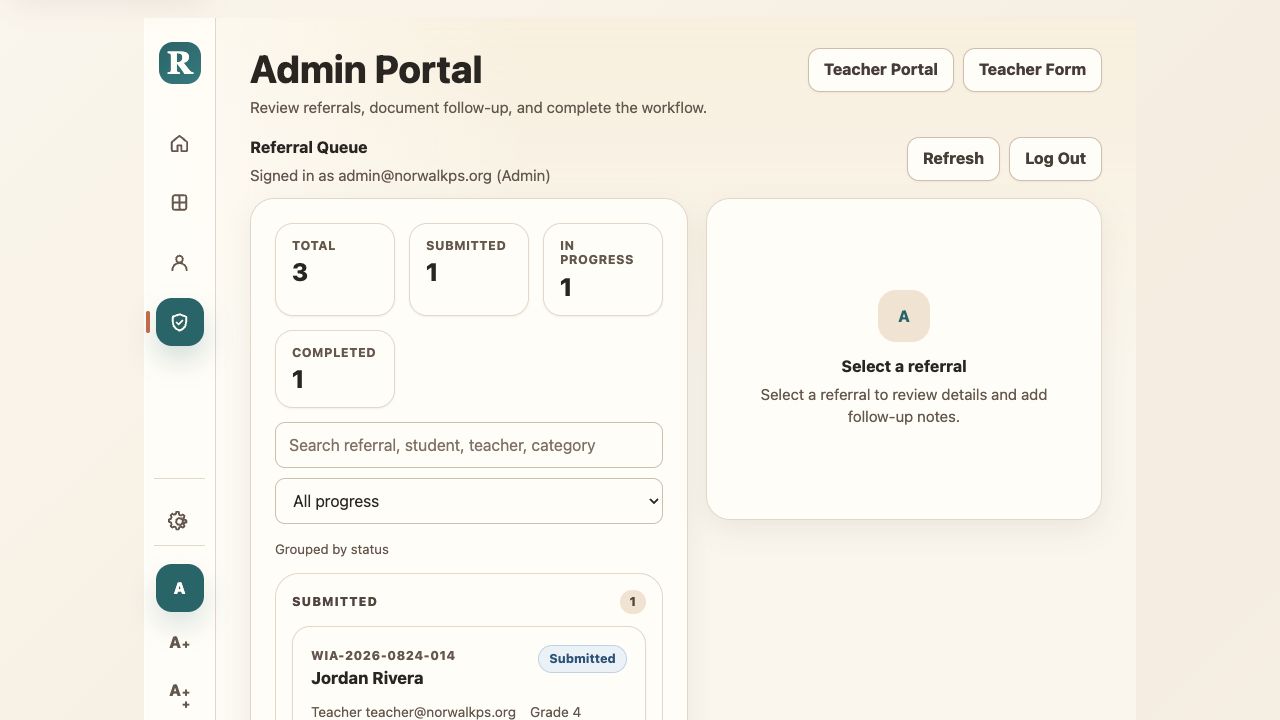
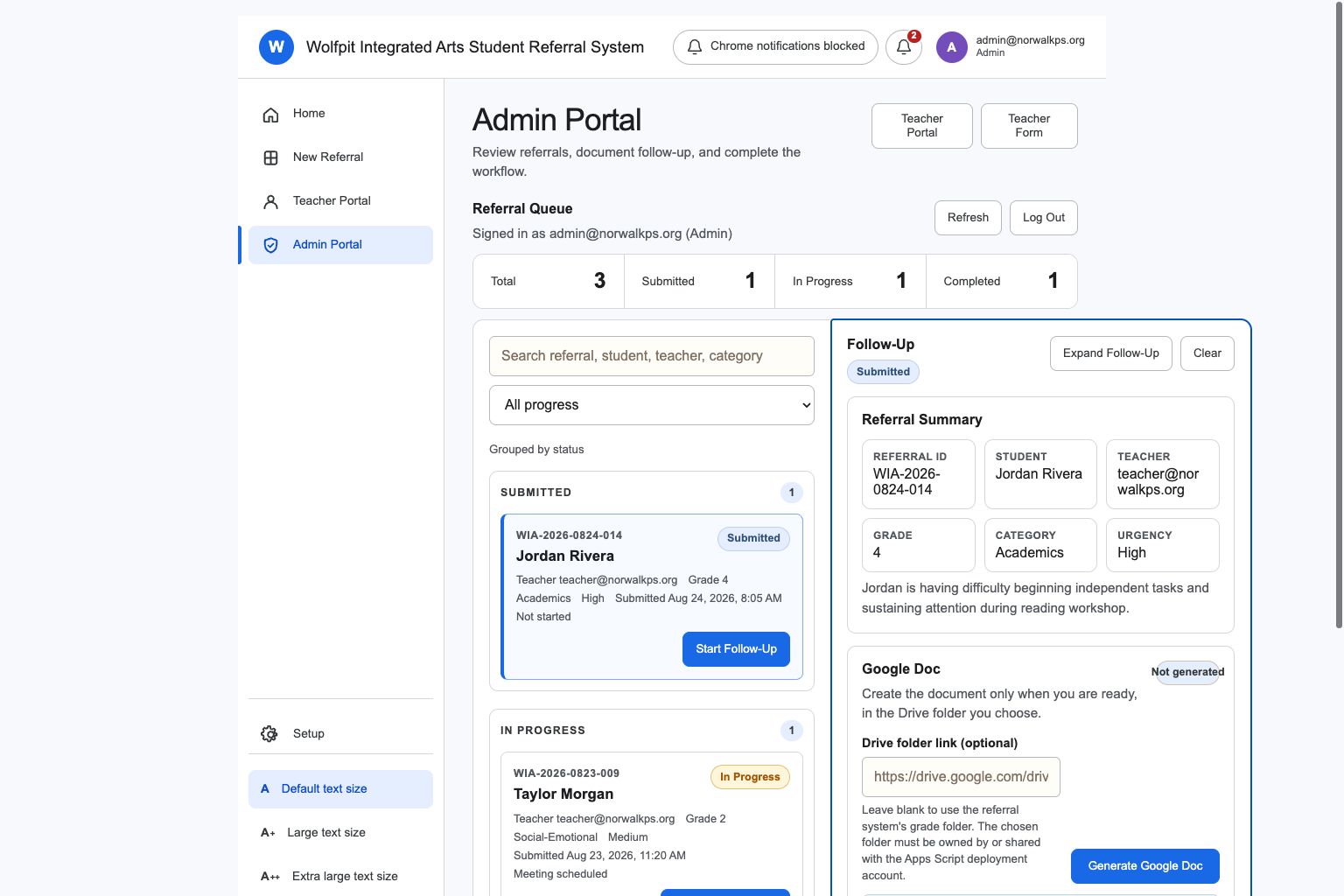
A 16-phase rebuild I directed through AI agents using a written handoff doc as their rules. Includes the "PASS on zero samples" catch.
| Held-out set | Caught | False alarms |
|---|---|---|
| v1 validator | 0 / 8 | 3 / 8 |
| v2 prototype | 5 / 8 | 0 / 8 |
I wrote a faithfulness rubric and graded test cases to find what an AI-rewrite checker misses, then prototyped a fix and confirmed it on a held-out set.
Read case study →Never include student names; say "a student". Reject any rewrite that adds a number, invents a name, or flips who did what.
An iPhone app that turns a principal's dictated notes into structured follow-ups, with a validator that rejects unfaithful AI rewrites.
Read case study →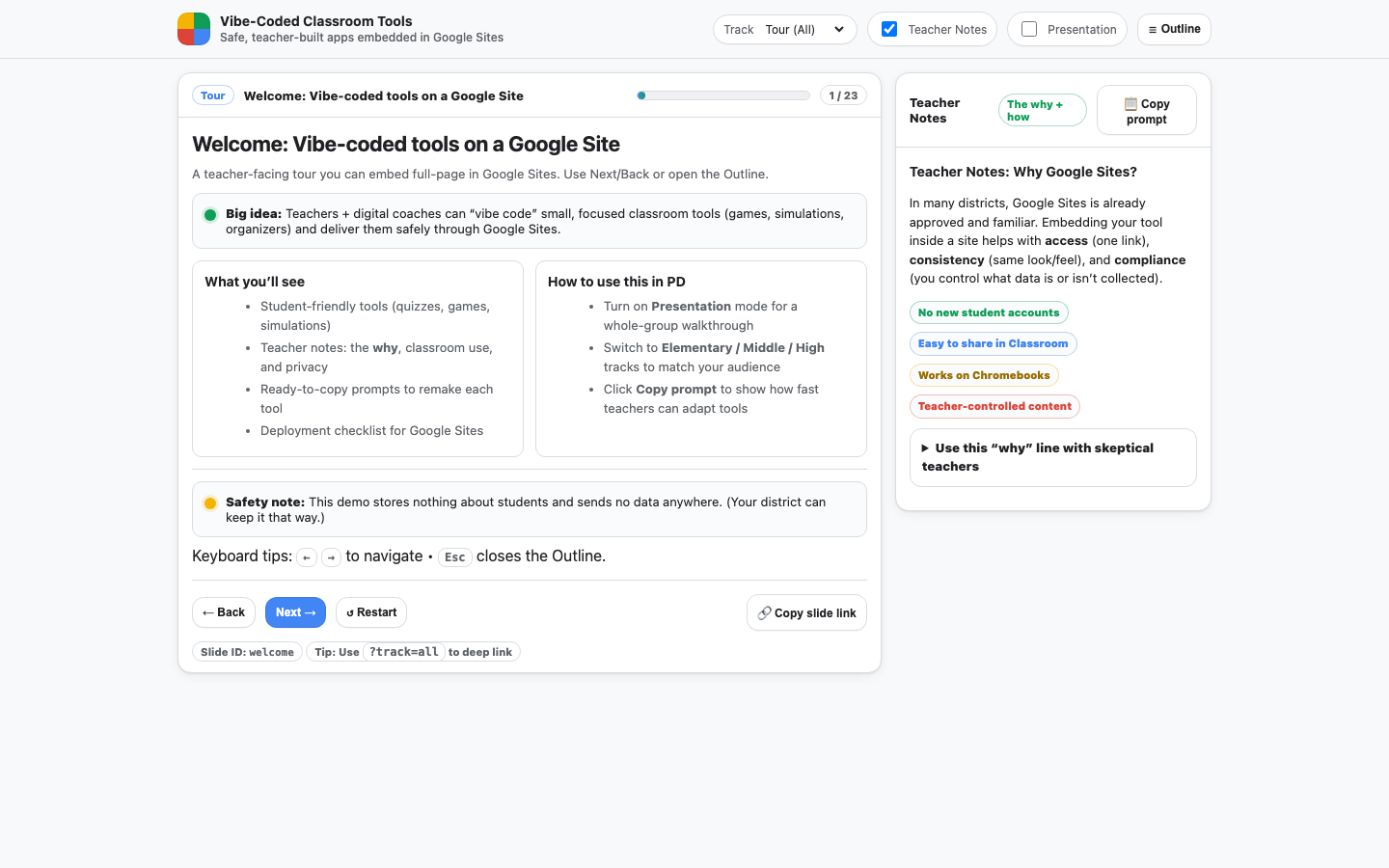
A 23-slide interactive PD with 11 live demos and 29 copy-ready prompts that teach teachers to build privacy-safe classroom tools.
Read case study →Pass 1: which of 10 service areas apply? NONE is allowed. Pass 2: draft the narrative. Invalid output gets one corrective retry.
Turns a school social worker's shorthand into state special-education service logs, with guards against known model failure modes.
Read case study →
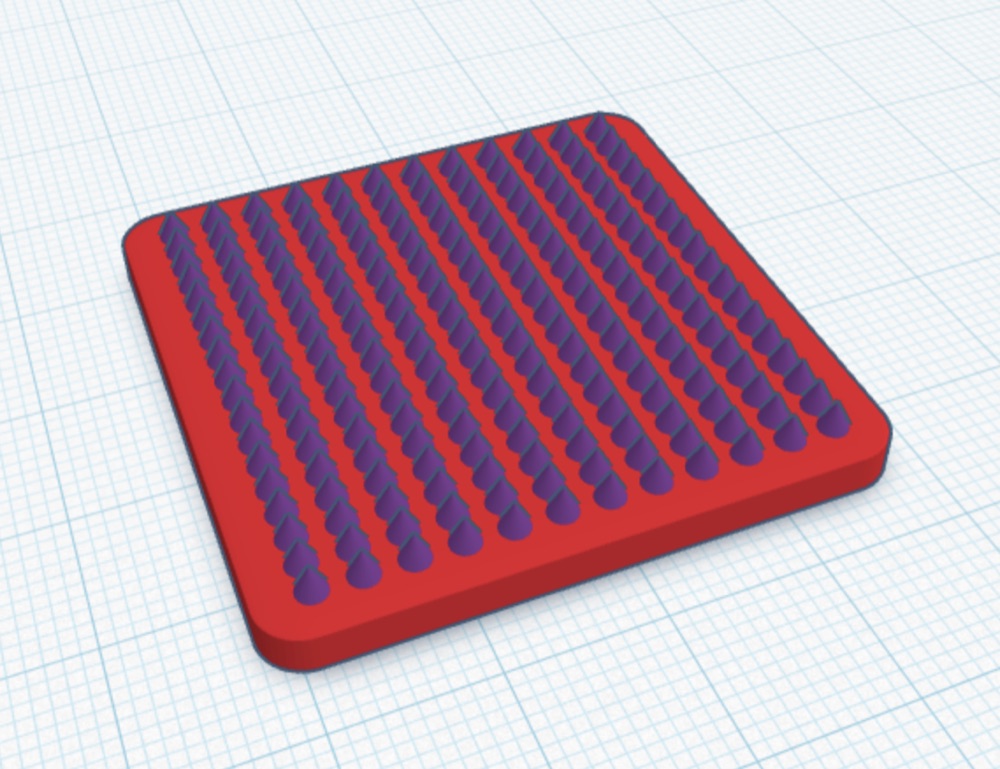
Scaffolded Tinkercad lessons, rubrics and video tutorials across several schools, plus a Grade 5 "Design for Good" unit that launches this fall.
Read case study →Never invent card names, prices, comps, values, percentages, or market data. Do not do trade math.
A personal project: the LLM only narrates; all math is tested code. Any invented price or card name is rejected.
Read case study →Filter by AI, training, tools, learning apps and making.
Browse the full list →Analyze the gap, design for it, develop the materials, deliver, then evaluate whether anyone actually learned. I still run every coaching request that way, starting with the person, not the process.
13 elementary schools
One-on-one and small-group coaching on whatever the teacher actually needs, from Chromebooks to prompts. I built the booking system teachers use to request time.
Guides, modules, newsletters
A self-paced 2FA module with a scored check, a one-page job aid, an operator guide for the referral system, and the Tech Radar staff newsletter. I used to build iBooks and LMS courses; same skill.
Teachers, principals, conferences
The 23-slide Vibe-Coded Classroom Showcase, AI literacy sessions for staff, and the AI @ NPS presentation at a Google for Education conference in New York City.
Adoption, not attendance
Whole school staffs now use the tools I've built for them. When something isn't used, I change the tool or the training, not the teacher.
I use Kirkpatrick's four levels. Here is what I can point to at each one, and where I still need data.
Teachers keep booking sessions: about 20 coaching sessions a month, requested through the booking system I built.
My self-paced modules end with a scored knowledge check, like the six-item check in the 2FA staff module. Scores aren't recorded yet; storing them is the next fix.
Tools get adopted by whole school staffs, not single teachers. The referral system is live school-wide.
Referral system case study →Other districts now ask Norwalk for AI guidance, based on the public AI @ NPS site.
AI @ NPS case study →The same habits show up in every build, from an iPhone app for principals to a district AI policy. They're also the habits that make a good model trainer or evaluator.
System prompts, agent handoff docs and skill files that turn requirements such as privacy law, compliance formats and "never invent a price" into constraints a model can follow and I can check.
Validators that reject AI rewrites which add numbers, invent names or flip who did what, and fall back safely instead of shipping a confident mistake.
Tests, before/after checks and honest status reports. I once caught an automated check that reported "PASS" on zero samples and reclassified it as inconclusive.
Guides, PD sessions and prompt libraries that let teachers and staff use AI safely, including the public AI site other districts now come to us about.
Breaks the problem into phases, drafts specs and sets the constraints.
Implements from a written handoff doc that acts as its persistent context and rules.
Review, test, correct either agent, and decide what ships to real teachers.
“Be a human first, and the rest will come.”
Skills, tools and curriculum all land better once a person feels seen. Four chapters taught me that.
Every project on this site traces back to one of these.
B.Mus in Audio and Music Production at Western Connecticut State. Then mixing engineer and sound designer for the Naugatuck Marching Band on a live digital console, and recording engineer for school concerts at Enfield High.
Creative and in-store guest trainer at Apple, and an Apple-Certified Technician and Trainer. I used the ADDIE model to find training gaps, built multiweek eLearning and iBooks for the company's LMS, and ran train-the-trainer sessions for new hires and veterans.
M.S.Ed. with Music PreK-12 certification. I taught K-5 general music and chorus, directed 6th-grade band, built Digital Audio and Music Technology courses for 75 high-schoolers a semester, upgraded the Music Tech lab, moved classes online during COVID, and led a FIRST LEGO League team.
Digital Learning Coach across 13 elementary schools. I coach teachers, build tools that whole school staffs adopt, and co-authored the district's public AI guidance. I direct AI coding agents with written rules, and I check everything they produce.